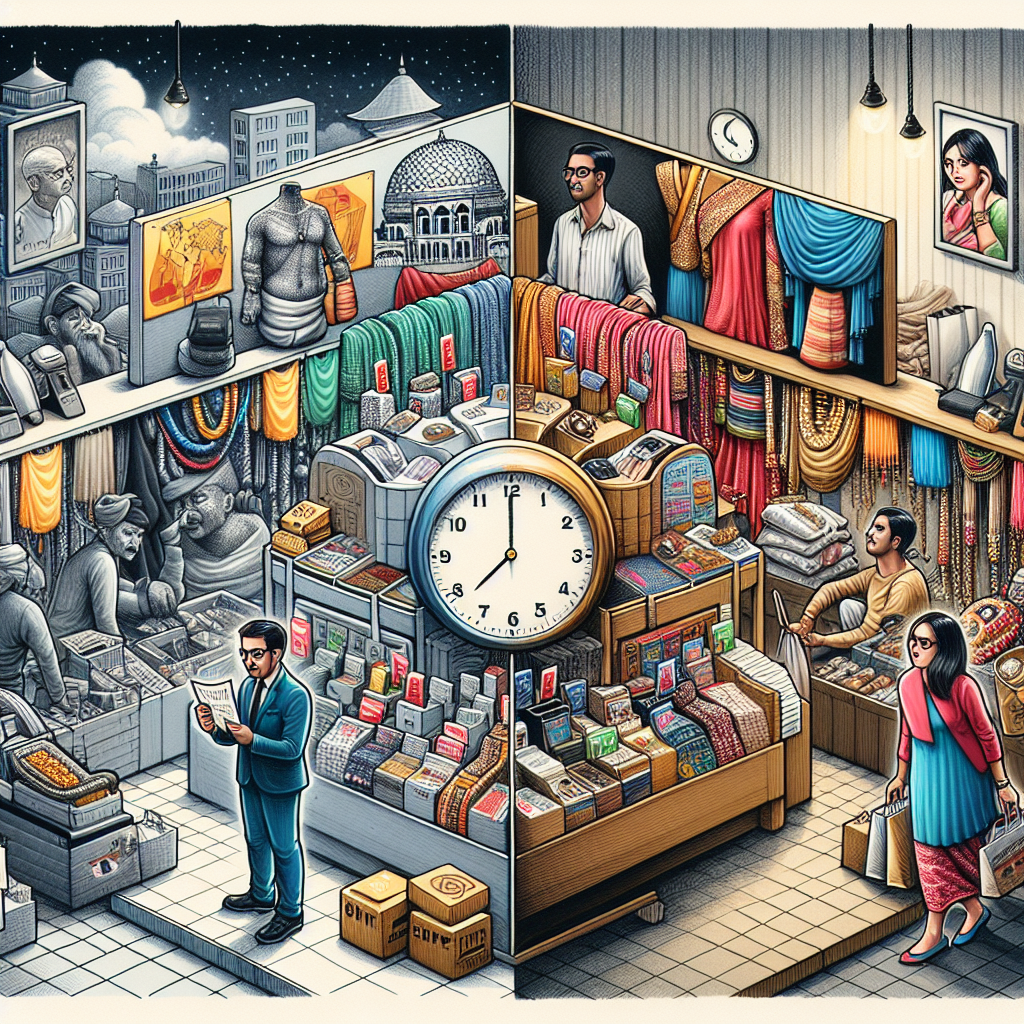
Why Comparison Shopping Reduces Urgency in Indian Real Estate Sales
The rise of digital platforms and property portals has empowered Indian home buyers to compare multiple projects, locations, amenities, and pricing at their fingertips. While transparency is positive, this level of comparison often stalls the sales process, eroding urgency. For real estate sales teams, understanding this dynamic is critical to improving conversion rates and sales velocity.
How Comparison Shopping Changes Buyer Behaviour
Traditional real estate sales relied on limited information and exclusivity. Today’s buyers, however, have endless options. When buyers are exposed to many alternatives, their ability to decide quickly diminishes.
- Buyers spend longer in the discovery and research phase.
- Decision timelines move from days to months.
- There is increased focus on minor differences between properties—often at the cost of the bigger picture.
- Objection handling shifts from explaining your project’s strengths to a game of endless feature comparison.
The Psychological Impact: Paradox of Choice
The more options a buyer has, the less likely they are to make a quick decision. This phenomenon, known as the 'Paradox of Choice', is well documented in consumer psychology. In Indian real estate, it translates into increased buyer inertia, frequent second guessing, and the tendency to keep searching even after they have found a suitable property.
- Increased confidence in postponing a decision
- Escalation of buyer’s expectations (searching for the 'perfect' deal)
- Fear of missing out on a better project soon to be launched
Implications for Real Estate Sales Teams
For Indian sales teams, the effect is measurable: pipeline stalls, lower booking rates, and increased negotiation. Teams often spend disproportionate time on buyers who remain uncommitted—impacting both efficiency and morale.
- Higher lead-to-meeting but lower lead-to-close ratios
- More requests for price matching and offers
- Longer sales cycles resulting in forecasting challenges
Countering the Effects: Practical Strategies
What can Indian real estate sales heads do to address this fundamental shift in buyer behaviour? The answer is not to resist comparison shopping, but to redirect and manage it effectively.
- Focus messaging on unique, non-comparable project benefits (community, lifestyle, builder trust)
- Implement urgency based on limited-time offers, inventory scarcity, or construction-linked milestones
- Use technology to shorten response times and streamline follow-ups — don’t give buyers space to drift
- Personalise communication and discovery, so buyers feel guided rather than lost among options
Conclusion
Comparison shopping among Indian real estate buyers is not a passing trend; it’s a new baseline. Sales leaders must evolve their process, messaging, and buyer engagement strategies accordingly. Reducing friction, building trust, and subtly restoring urgency are key differentiators in today’s environment.