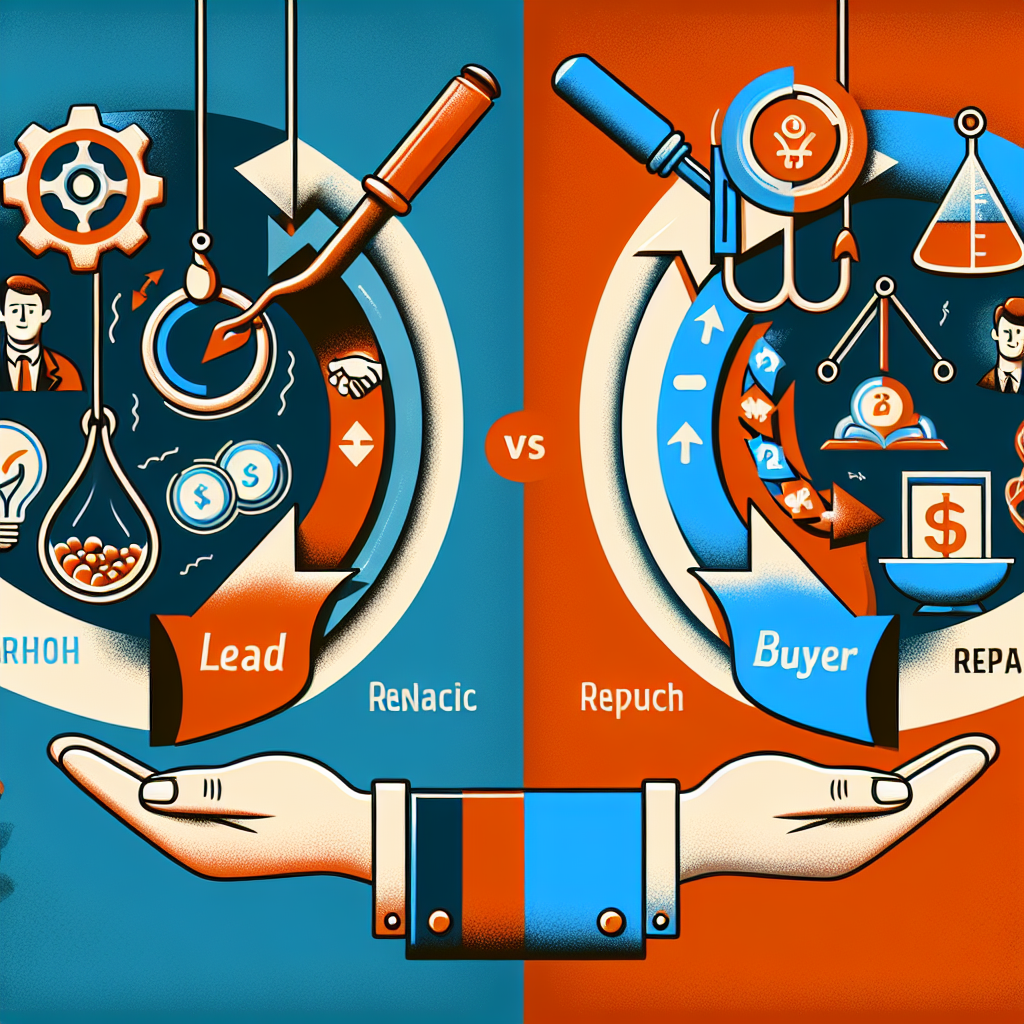
Lead Management vs Buyer Management: What Every Indian Real Estate Sales Team Must Know
In the fast-evolving landscape of Indian real estate, the terms 'lead management' and 'buyer management' are often used interchangeably. However, confusing these two can create missed opportunities and hamper overall sales effectiveness. For today's sales leaders, understanding the distinction between managing leads and nurturing buyers is fundamental to maximising pipeline value, increasing conversions, and delivering a customer-centric experience.
Understanding Lead Management
Lead management is the process of capturing, tracking, and routing potential customer queries or contacts—commonly referred to as leads. This phase covers the journey from initial contact until the lead demonstrates enough interest or intent to be qualified for further sales engagement.
- Lead capture via multiple online and offline sources (property portals, walk-ins, referrals, campaigns, etc.)
- Lead assignment and routing based on location, project, or sales representative
- Qualification based on buyer intent, budget, and purchasing timeline
- Automated follow-ups and nurturing sequences
- Prioritisation and scoring to identify high-potential prospects
Modern real estate SaaS solutions offer advanced lead management tools tailored for the Indian market—including integrations with local platforms and multi-lingual support. The aim is to ensure no inquiry is missed and every lead gets prompt attention.
What is Buyer Management?
Buyer management begins where lead management ends. Once a lead is qualified and expresses solid intent or shows buying signals, they become a 'buyer'. Managing buyers requires a deeper, consultative approach that goes beyond simple follow-up. In the Indian context—where buying property is often complex and emotional—managing buyers effectively is a strategic lever for differentiation.
- Understanding unique buyer preferences and requirements
- Sharing tailored property recommendations
- Facilitating site visits and personal interactions
- Handling documentation, negotiations, and loan assistance
- Managing post-sales engagement and relationship-building
Buyer management requires sophisticated CRM features, reusable templates for consistent communication, and collaboration tools to coordinate across sales, legal, and finance teams. Sales heads must ensure the buyer journey feels personalised, transparent, and trustworthy at every stage.
Key Differences Between Lead and Buyer Management
- Focus: Lead management is about handling volume and reach; buyer management is about depth and quality of engagement.
- Purpose: Leads are potential customers at the top/middle of the funnel; buyers are active prospects at the bottom of the funnel.
- Tactics: Leads are nurtured with broad messaging and qualification steps; buyers are aided with personalised care and solutions.
- Metrics: Success in lead management is measured by MQL/SQL volume, response times, and conversion rates; buyer management is tracked via closure rate, deal cycle time, and NPS (Net Promoter Score).
- Tools: Lead management relies on automation and scoring; buyer management demands collaborative tools, task tracking, and multi-party communication.
Why Sales Leaders Must Prioritise Both
Indian real estate sales cycles are often prolonged due to regulatory checks, documentation complexities, and emotional investments. Focusing solely on generating and qualifying leads may fill the pipeline but rarely guarantees closures. On the other hand, stellar buyer management—without disciplined lead handling—can leave teams with empty pipelines and missed quotas.
Best-in-class sales teams leverage advanced SaaS platforms that seamlessly integrate both lead and buyer management modules. This ensures:
- Faster response to every inquiry and strict follow-up discipline
- Quick movement of high-intent leads into a personalised buyer experience
- Consistent documentation and communication at every touchpoint
- Improved transparency for sales heads via real-time dashboards and activity logs
- Stronger customer relationships, leading to repeat and referral business
Conclusion: Moving Beyond the Lead
For Indian real estate sales teams looking to outperform competition, the goal is not just to collect more leads but to convert more buyers. This requires treating lead management and buyer management as complementary but distinct disciplines—each with its own set of strategies, technologies, and KPIs. Investing in robust tools and processes for both can help unlock higher conversion rates, superior customer experiences, and sustainable long-term growth.