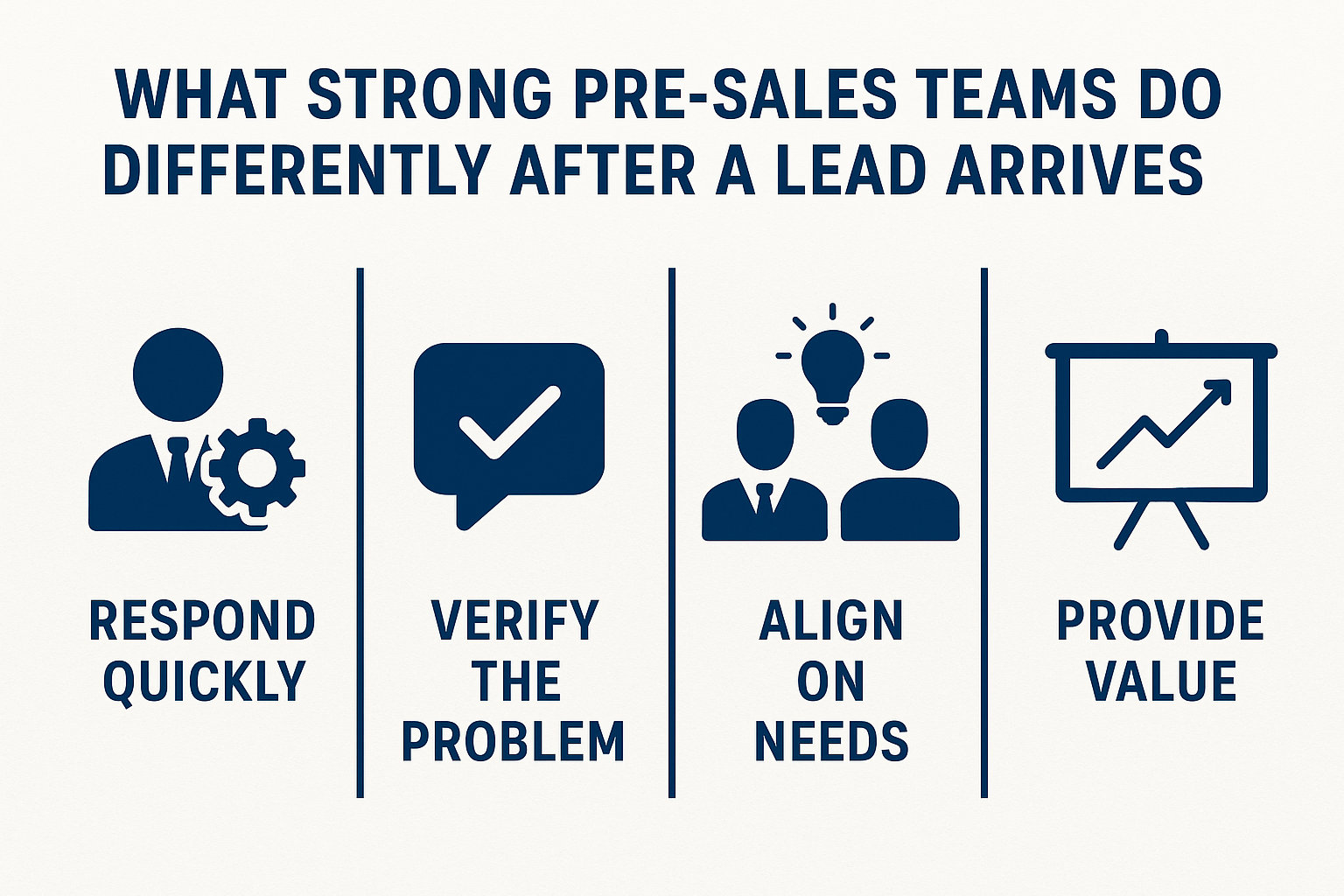
What Strong Pre-Sales Teams Do Differently After a Lead Arrives
Indian real estate sales teams are investing heavily in lead generation. But most teams still struggle to convert initial interest into site visits and bookings. The difference between average and high-performing projects often lies in what happens immediately after a lead enters the system—the first 48 hours are critical. Here’s what top pre-sales teams are doing differently to maximise conversion and optimise sales performance.
1. Rapid and Multi-Channel Response to Inbound Leads
Speed and channel preference make or break your first impression. Leading pre-sales teams:
- Respond within 5-10 minutes to every qualified lead, not just during working hours, but also by leveraging automation tools after hours.
- Initiate contact through the lead’s preferred channel (phone, WhatsApp, email), not just calls.
- Trigger immediate, relevant auto-acknowledgements confirming receipt and next steps.
2. Intelligent Segmentation—Not One-Size-Fits-All
High-performing teams resist sending the same pitch to everyone. Instead, they:
- Segment leads based on source, budget, demographics, and digital behaviour.
- Assign leads to different agents or nurture buckets—first-time buyers, NRI interest, or investor profiles—to personalize outreach.
- Tailor communication and offers based on data, not assumptions.
3. Qualifying Deeply, Not Superficially
Strong pre-sales teams ask more probing questions rather than just confirming a budget or location. This includes digging into:
- Purchase motivation and urgency
- Decision-maker identification (family, friends, influencers)
- Possible objections uncovered early, such as financing challenges or timeline issues
4. Enabling Sales with Detailed Handover
Pre-sales teams that convert provide clear, structured data when transferring leads to sales colleagues. This means:
- Attaching a summary of all previous interactions and lead preferences
- Highlighting any buyer triggers or concerns already noticed
- Including recommendations on site visit timing or method
5. Proactive Nurturing Instead of ‘One and Done’
Conversion is not always immediate in Indian real estate. Strong pre-sales teams:
- Schedule consistent, value-driven follow-ups (video walkthroughs, new offers, or area reports—not just reminders)
- Utilise drip campaigns to maintain engagement during longer consideration cycles
- Measure which nurture steps correlate with site visits and update strategy continuously
6. Leveraging Technology for Process Consistency
Tech adoption differentiates the leaders. Strong teams ensure:
- CRM adoption is uniform and all interactions are logged
- Automation is used for repetitive tasks—leaving time for real conversations
- Dashboards track speed, conversion metrics, and channel performance in real-time
Conclusion: The Pre-Sales Revolution Is Here
Indian homebuyers have more choices and higher expectations than ever. To thrive, sales leaders must build pre-sales processes that are fast, intelligent, personalised, and relentlessly focused on the buyer journey. The teams who treat pre-sales as a strategic function—not just a call centre—consistently emerge ahead on both conversion and customer satisfaction.